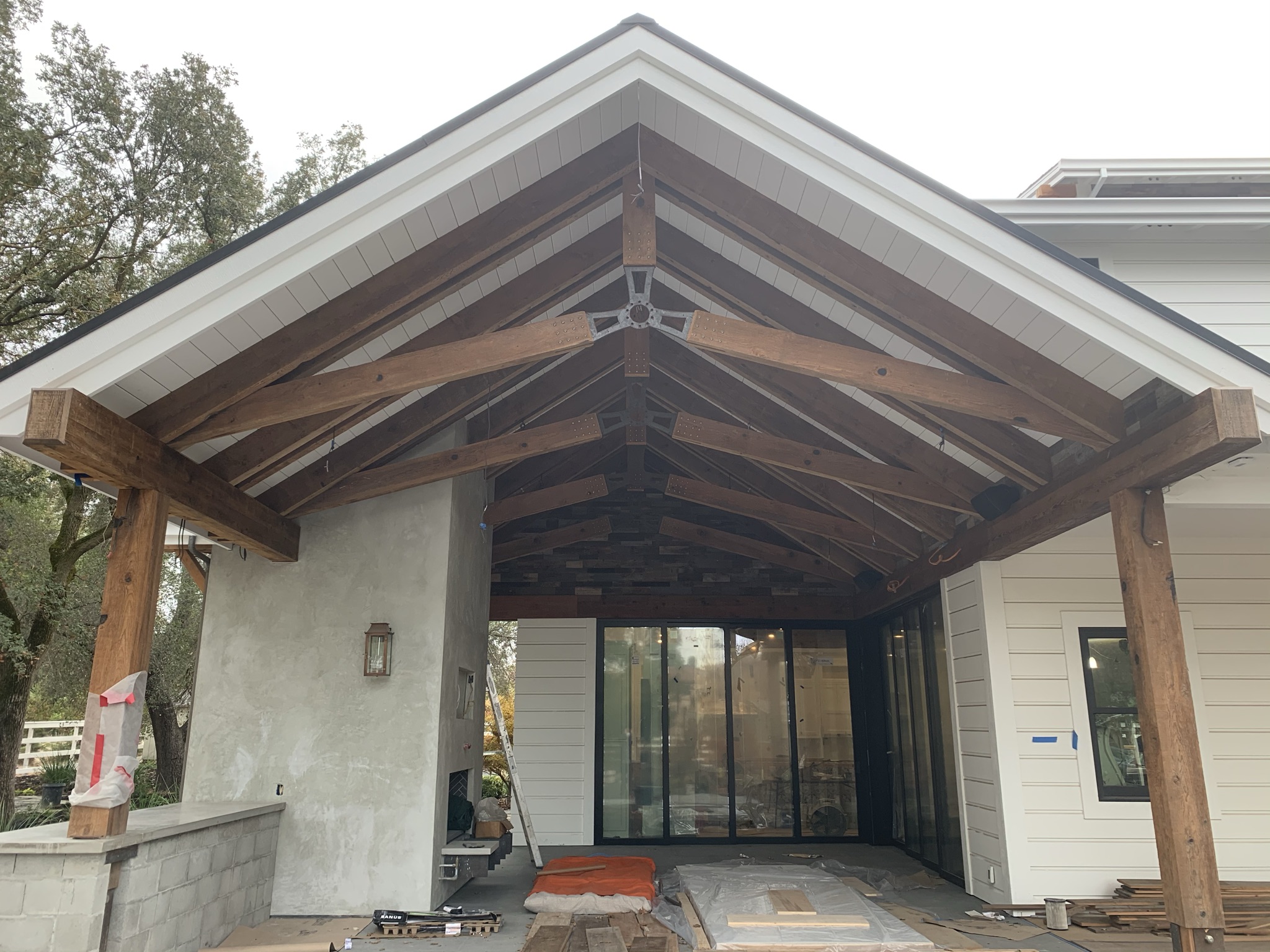
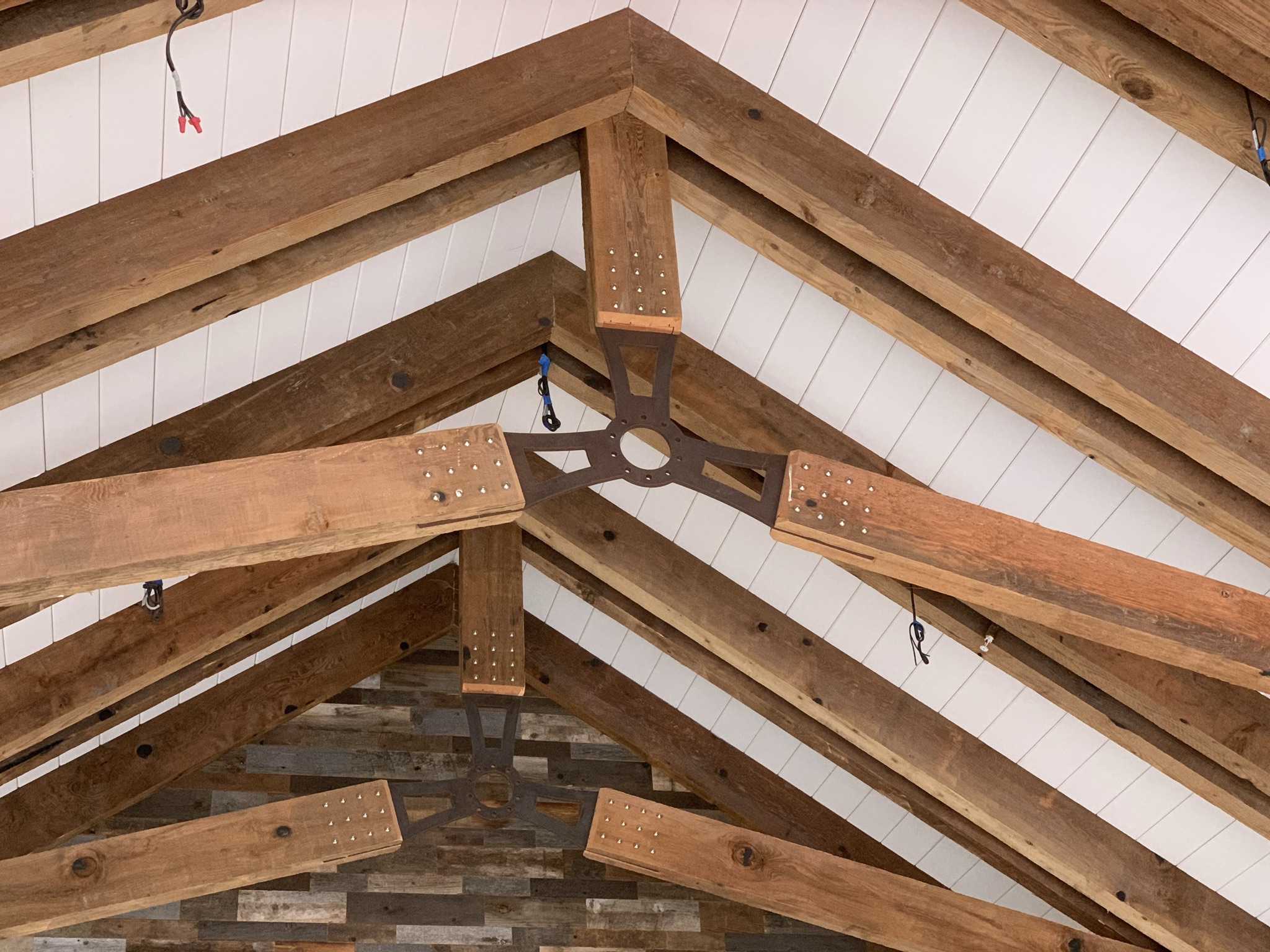
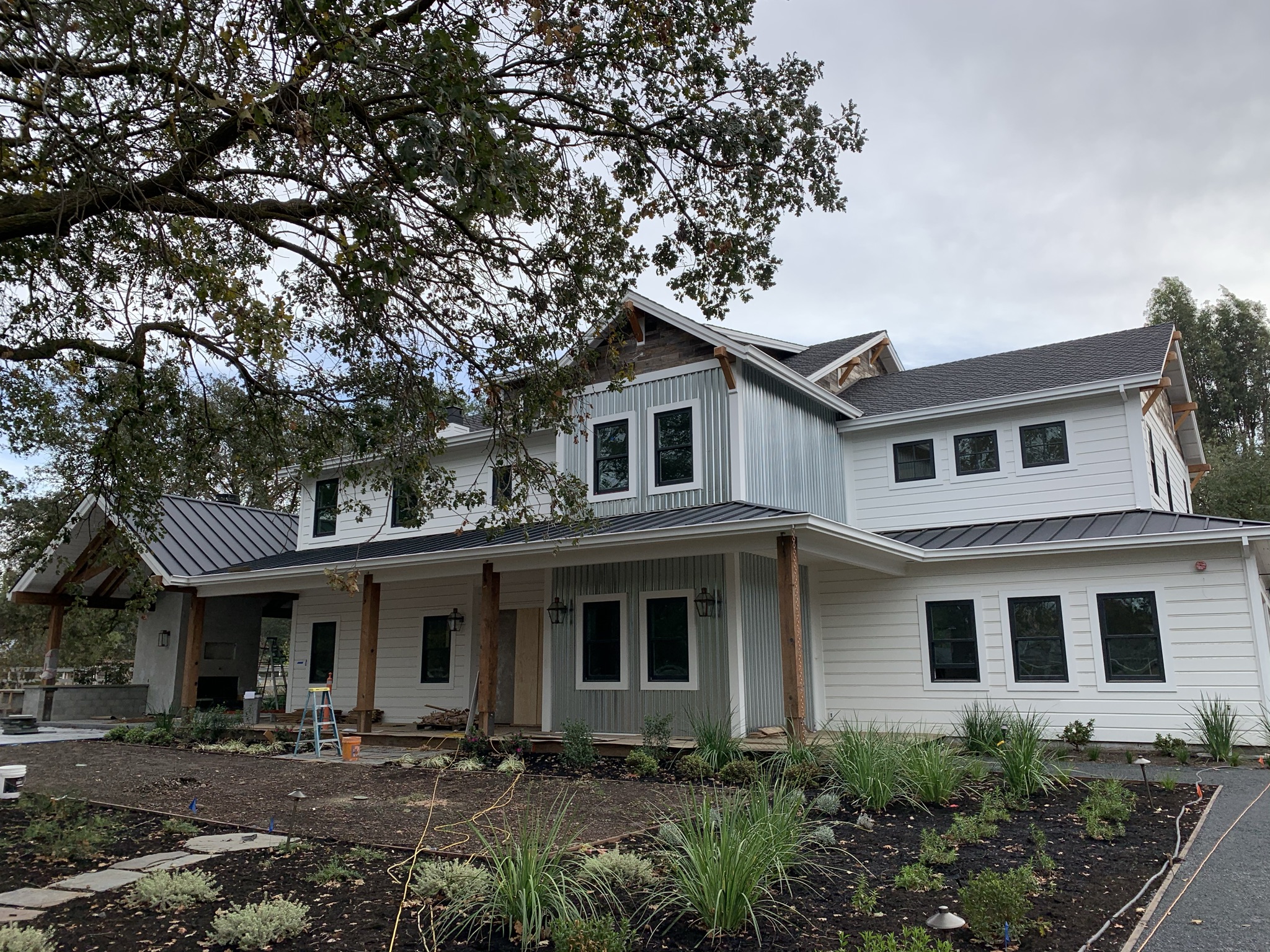
PLEASANTON LUXURY HOME





[share title=”Share this Post” facebook=”true” twitter=”true” linkedin=”true” reddit=”true” email=”true” id=”” class=”” style=”float:right; width:33%;”]
Hybrid steel structures can bring their own complexities and the San Pedro Apartments was no exception. With HSS, PACO Steel, and cold-form steel, this was uncharted territory for these highly-capable contractors.
Our experience in light gauge steel and structural HSS allowed us to work hand-in-hand with the subcontractors to provide the calculations, fabrication drawings and construction sequencing that was required to move forward.
Due to the height of the structure, OSHA required the subcontractor to carry a construction sequencing plan, and to provide further support, we also supplied the subcontractor with color-coded drawings, and an animated 3D model on top of the traditional shop drawings.
The San Pedro Apartments will be affordable housing that consists of 135 units on six floors with an outdoor deck on the sixth floor, a garden area, and a social service and community space. The structure has also been designed to LEED Platinum green standards and will feature a living roof and greenhouse, solar PV, and water efficient fixtures.

Inc 5000 Series: California—Zenith Ranks #160
Inc.’s first annual ranking of America’s top businesses in California is here. The fastest-growing private companies—representing cities from San Diego to Sacramento—saw their combined total revenues climb 168 percent to a collective $5.5 billion between 2016 and 2018. Their 2018 revenue ranged from $1 million to $393 million. And they are also job creators, adding 26,000 to California payrolls.
With Two-Year Revenue Growth of 145% Percent
NEW YORK, February 19, 2020 – Inc. magazine today revealed that Zenith Engineers is No. 160 on its inaugural Inc. 5000 Series: California list, the most prestigious ranking of the fastest-growing California-based private companies. Born of the annual Inc. 5000 franchise, this regional list represents a unique look at the most successful companies within the California economy’s most dynamic segment—its independent small businesses.
“Core engineering businesses of today are either very large publicly traded firms or small boutique businesses. We use technology to manage processes like large firms, but simultaneously give our clients the personal attention boutique businesses are famous for. We brought a start-up approach to an engineering company, and our team shares that drive.”
– Nikhil Choudhary, CEO
The companies on this list show stunning rates of growth across all industries in California. Between 2016 and 2018, these 250 private companies had an average growth rate of 422 percent and, in 2018 alone, they employed more than 49,000 people and added $5.6 billion to the California economy. Companies based in the largest metro areas—Los Angeles, the Bay Area, and San Diego—brought in the highest revenue overall.
Complete results of the Inc. 5000 Series: California, including company profiles and an interactive database that can be sorted by industry, metro area, and other criteria, can be found at inc.com/inc5000-series-california-2020 starting February 19, 2020.
“The companies on this list demonstrate just how much the small-business sector impacts California’s economy,” says Inc. editor in chief Scott Omelianuk. “Across every single industry, these businesses have posted revenue and growth rates that are beyond impressive, further proving the tenacity of their founders and CEOs.”
The Inc. 5000 Series: California Summit & Awards event to honor the companies on the list will take place on Tuesday, May 12, 2020, at The LINE Los Angeles (3515 Wilshire Blvd., Los Angeles, California 90010).
Zenith Engineers is a full service, end to end, international structural engineering firm that invests time in learning who you are and what you want to accomplish, so we can support you through design and in the field. We do things differently. We start with your preferences – everybody builds differently, and is comfortable with different materials, so our process is shaped by your comfort zone. We partner with homeowners, contractors, architects, developers, and manufacturers, and understand we could be helping you with your first project, or your 100th project.
[share title=”Share this Post” facebook=”true” twitter=”true” linkedin=”true” reddit=”true” email=”true” id=”” class=”” ]

By Alisha Green
Feb 14, 2020, 3:10pm EST

Zenith Engineers President and Chief Technical Officer Senthil Puliyadi, left, and CEO Nikhil Choudhary
TODD JOHNSON | SAN FRANCISCO BUSINESS TIMES
When Nikhil Choudhary and Senthil Puliyadi saw an unmet need for engineering catered toward contractors, they also saw a business opportunity.
Most large engineering firms target developers and architects, which provided a niche for serving contractors that Choudhary and Puliyadi sought to fill when they started structural engineering firm Zenith Engineers in 2009.
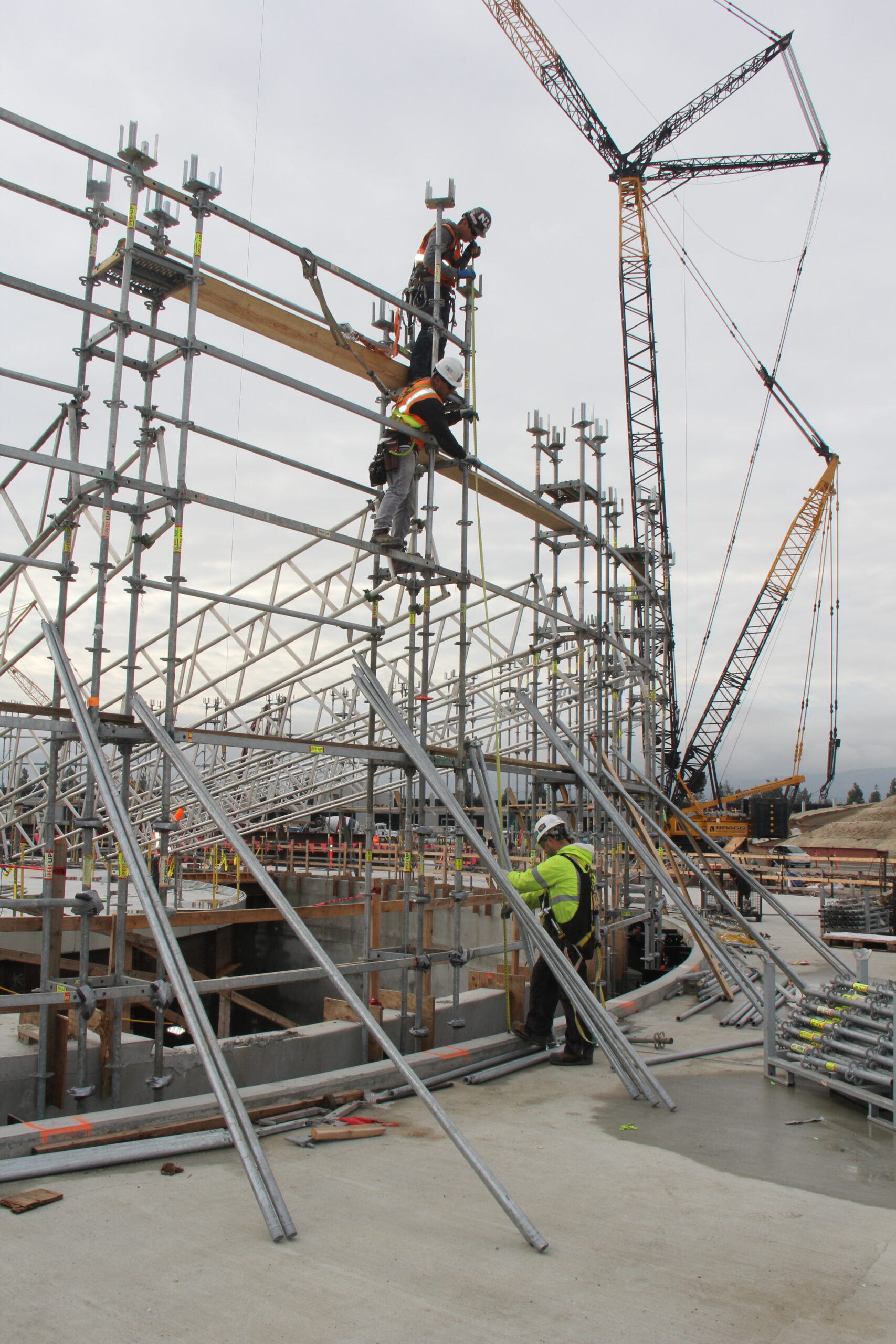
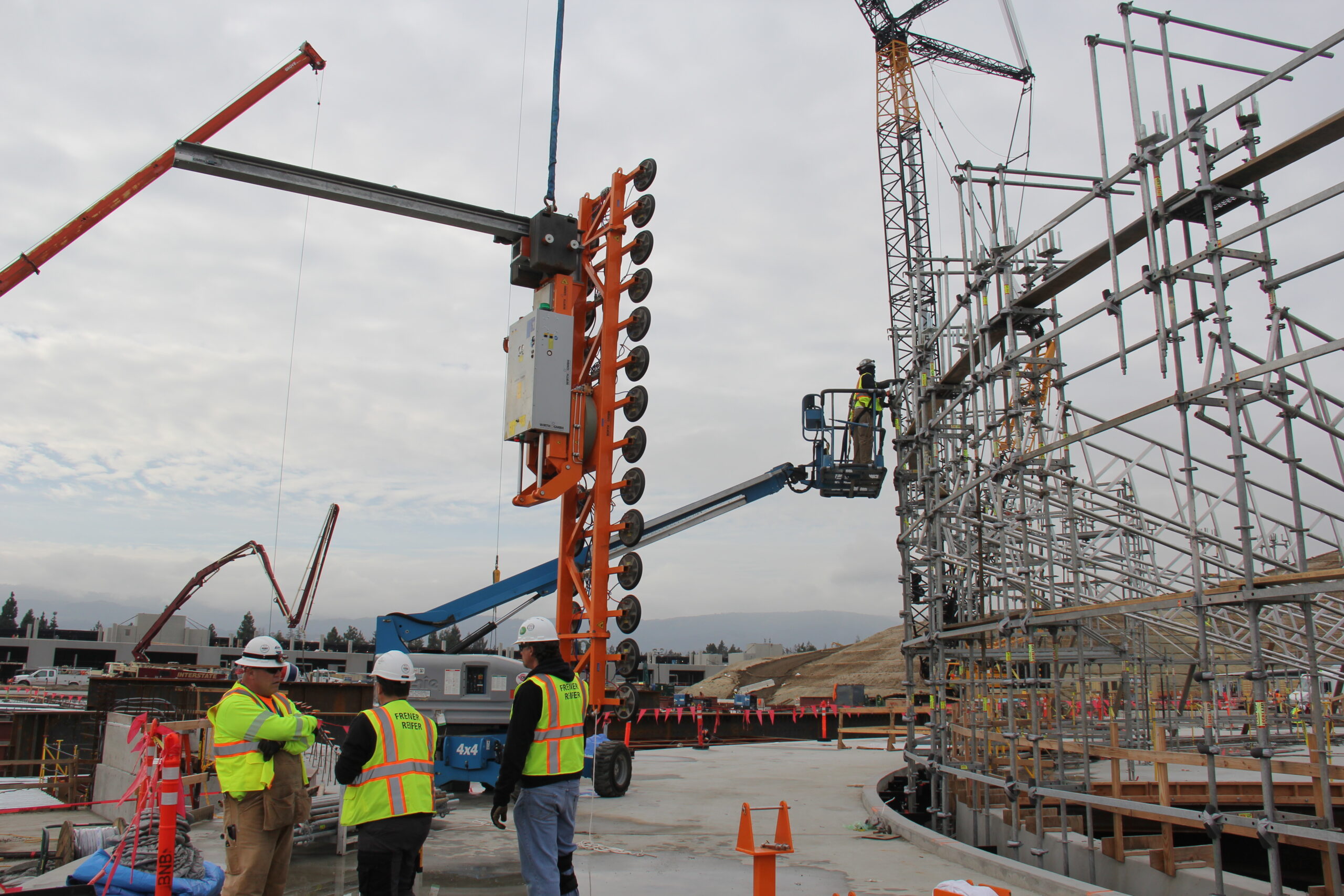
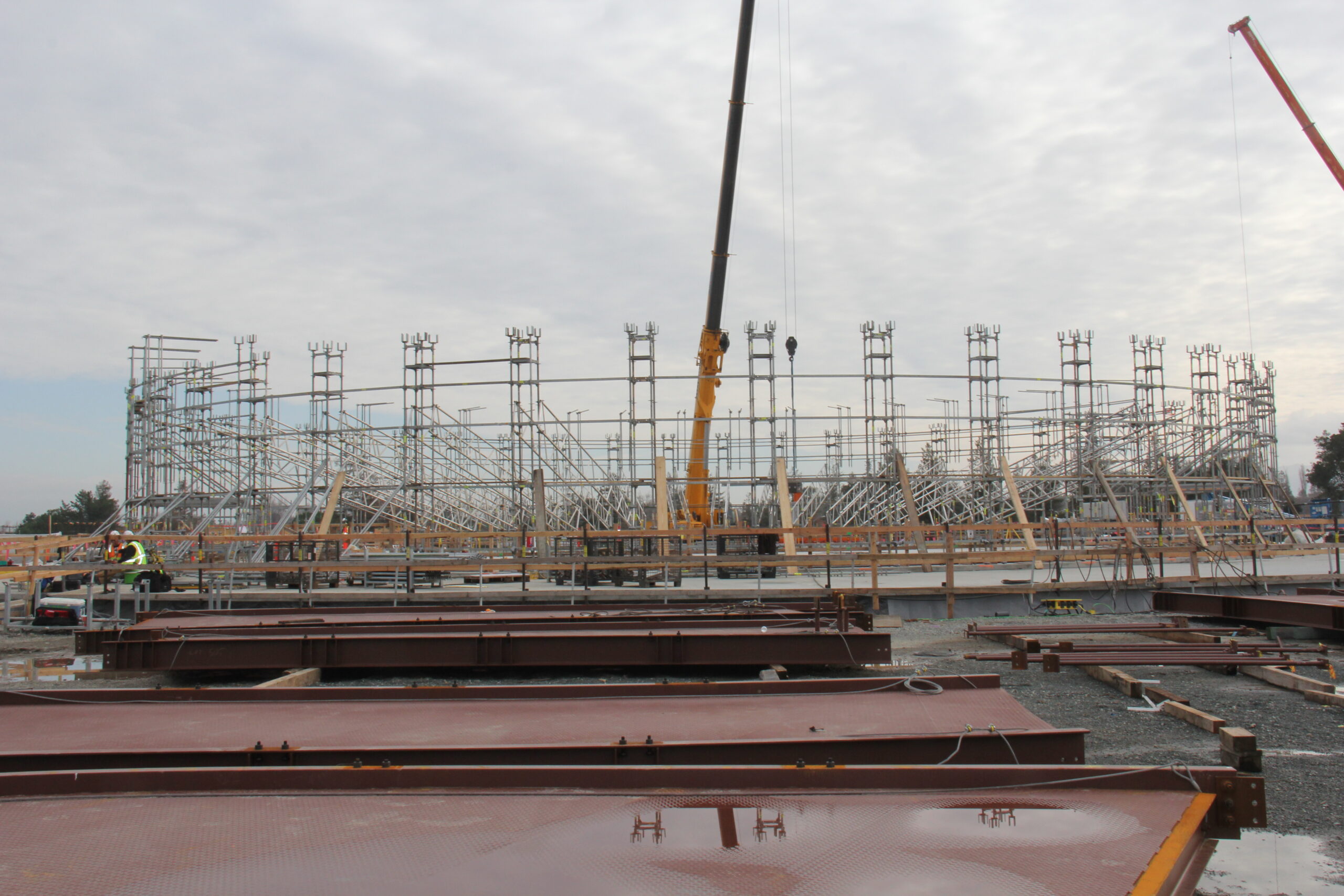
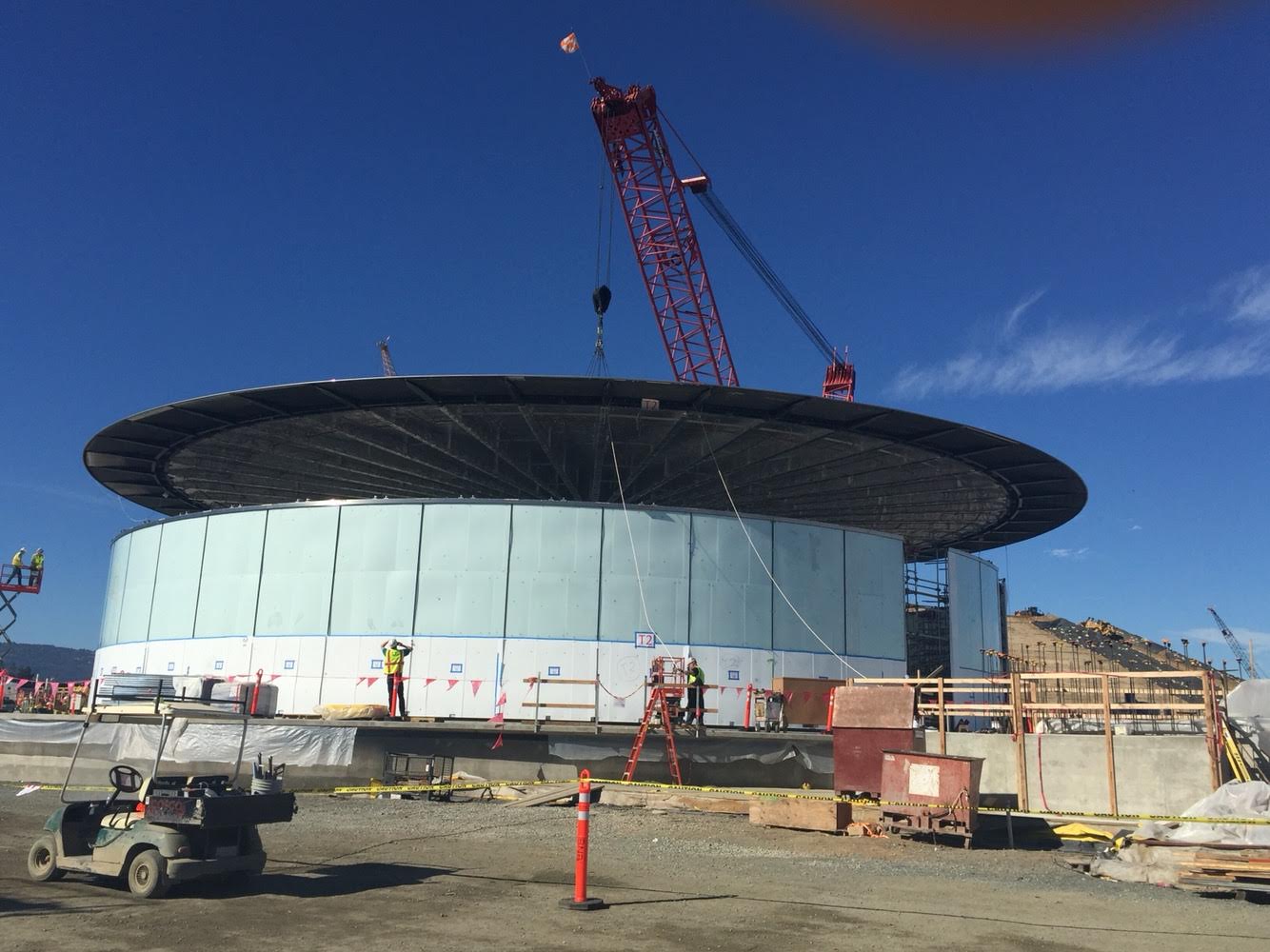
At first they focused on working with contractors, who can have a substantial need for engineering when building big projects, said Puliyadi, Zenith’s chief technical officer. Zenith helps with the engineering details that fall on contractors after a bid is awarded. Zenith designed the temporary supports, for example, for the glass panels at the Steve Jobs Theater at Apple’s new headquarters before the roof was installed.
Over the past decade, Choudhary and Puliyadi have grown the bootstrapped, Hayward-based company beyond targeting general contractors and subcontractors. Zenith now also serves developers, architects, owners, and manufacturers with three divisions spanning residential, commercial and seismic.
Jumping on the business opportunity was made easier by Puliyadi and Choudhary’s backgrounds, which include a mix of contracting and engineering.
“We understood the speed with which contractors operated, and we could match that speed,” said Choudhary, Zenith’s CEO. The fast speed and intensity that most contractors work at can be hard for traditional engineering firms to keep up with, he added. The Zenith team uses technology to track every detail of projects, he said, which makes it easy to keep up.
The two founded the company as an impulse during the Great Recession, Choudhary said. Since then, Zenith already has offices in Hayward, Sacramento, Los Angeles and Encino, and the team plans to open two new offices this year in Seattle and Las Vegas.
The success has come in part thanks to figuring out the right cash flow through a balance of residential and commercial work, Choudhary and Puliyadi said. Residential projects provide immediate cash flow to keep the business afloat day in and day out, Puliyadi noted, and it is essentially recession-proof.
“People don’t remodel as much when there is a recession, but there is always something somebody wants to knock down,” Puliyadi said.
Zenith Engineers
What it does: Structural engineering
Employees: 32
HQ: Hayward
Founded: 2009
Co-founders: Nikhil Choudhary and Senthil Puliyadi
[share title=”Share this Post” facebook=”true” twitter=”true” linkedin=”true” reddit=”true” email=”true” id=”” class=”” ]


International Architect and part-time Mount Shasta resident Dr. Eugene Tssui will debut his proposal for a revolutionary underground, commercial office building at an event planned in collaboration with the Ecology Center on Aug. 8 at the Mt. Shasta City Park.
The proposed building contains no mechanical/electrical heating, ventilation and air conditioning systems, and is made of wood and gigacrete (a fireproof, waterproof, mold and mildew-proof, disaster-proof material).
To be located on Spring Hill Drive once approved, this building redefines architecture as we know it and may be the first true zero footprint commercial building in the world. The project is currently in its construction drawing and structural engineering phase preparing for submittal to the City of Mount Shasta’s Planning Department; soils engineering has gone out to bid. The evening was an opportunity for members of the public to learn more prior to its later city review.
The building’s ground floor level is 40 feet below the existing surface of the ground and features a spiraling garden ramp that creates an interior air cleaning, stress and sickness reducing, creativity boosting environment using plants and flowers.
The proposed building features a variety of other innovative features such as a rain and dew catchment system. Roof water-catch troughs have as-needed drainage controls to use rain water that has been cleaned and filtered through the use of “Lifestraw” passive filtering devices, so all caught rain water is drinkable and usable for sinks and washing.
A key feature is its central, spiral ramp, displaying various native species of plants and flowers. The building will measurably achieve many benefits projected to include:
[share title=”Share this Post” facebook=”true” twitter=”true” linkedin=”true” reddit=”true” email=”true” id=”” class=”” style=”float:right; width:33%;”]

[share title=”Share this Post” facebook=”true” twitter=”true” linkedin=”true” reddit=”true” email=”true” id=”” class=”” style=”float:right; width:33%;”]
Stockton Shelter for the Homeless met with Zenith Engineers in the late fall and asked us to help them organize the design and project management for a temporary structure to house people during the winter months. Due to many moving parts clicking into place seamlessly and the valiant efforts of everyone who worked on this project, it not only will house an additional 50 people, but it was completed just as the weather outside was starting to take a turn for the worse.
Zenith Engineers takes pride in all of our projects, but projects like these have a special place in our hearts. As we all stood outside for the ribbon cutting ceremony, each person commented how cold it was and how thankful they were that by the afternoon this structure would be up and running for those additional people.

[share title=”Share this Post” facebook=”true” twitter=”true” linkedin=”true” reddit=”true” email=”true” id=”” class=”” style=”float:right; width:33%;”]
In 2017, Himanshu’s original home fell victim to the Santa Rosa wildfire like so many others in his neighborhood. However, unlike those many others, he is rebuilding his home in ICF instead of sticking with traditional wood frame construction. This will not only decrease his constructibility time, but also increase the fire rating of his overall home.
Himanshu reached out to Zenith Engineers due to our expertise in ICF design and engineering. He is not only pleased with the phenomenal service he received, but also the fact that his home received only 15 review comments from the city, while another ICF home he knows about received over 100 comments. He goes on to say that he would recommend us for thousands of projects in the future and we can gladly say that we would love to work on future projects with Himanshu as well.

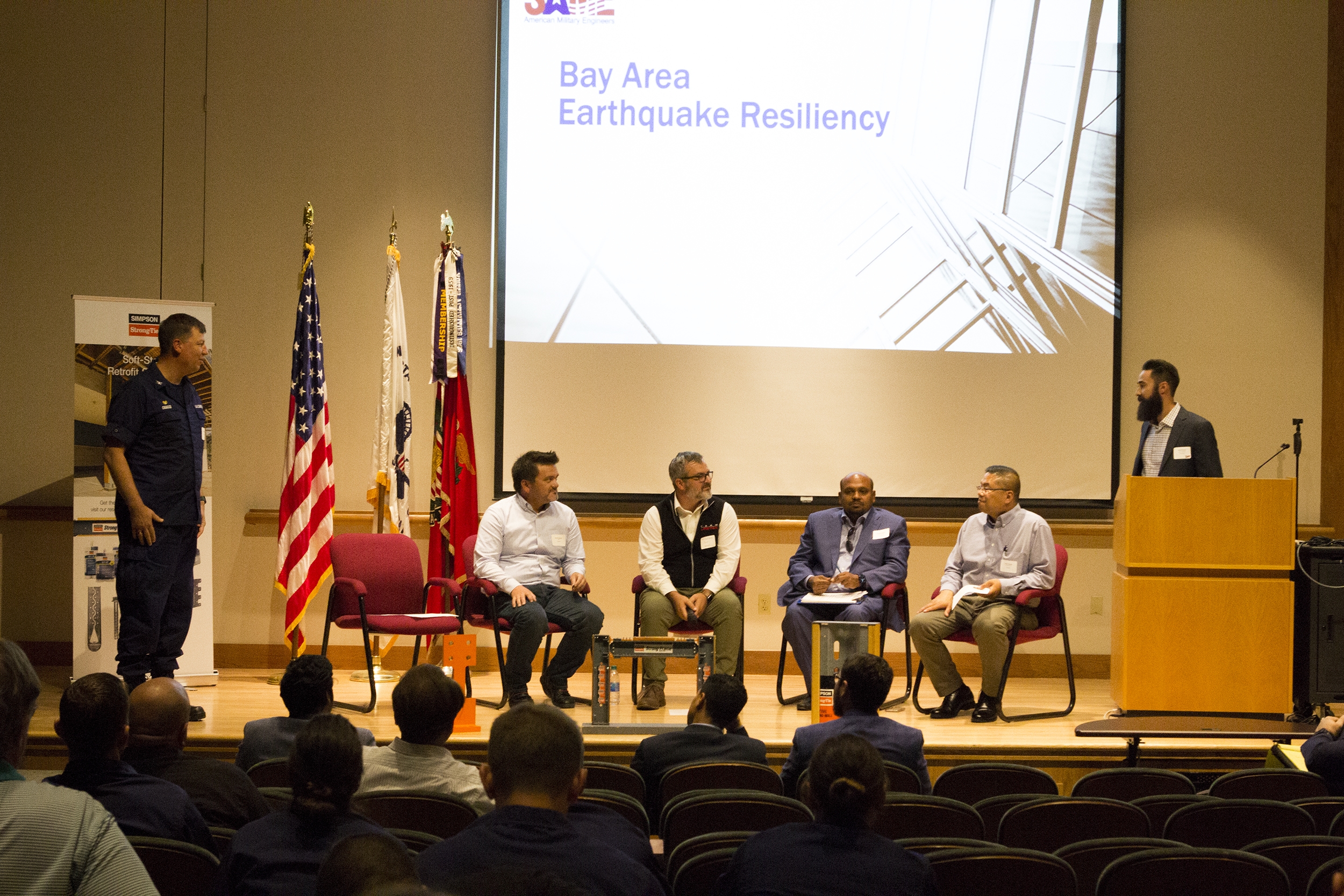
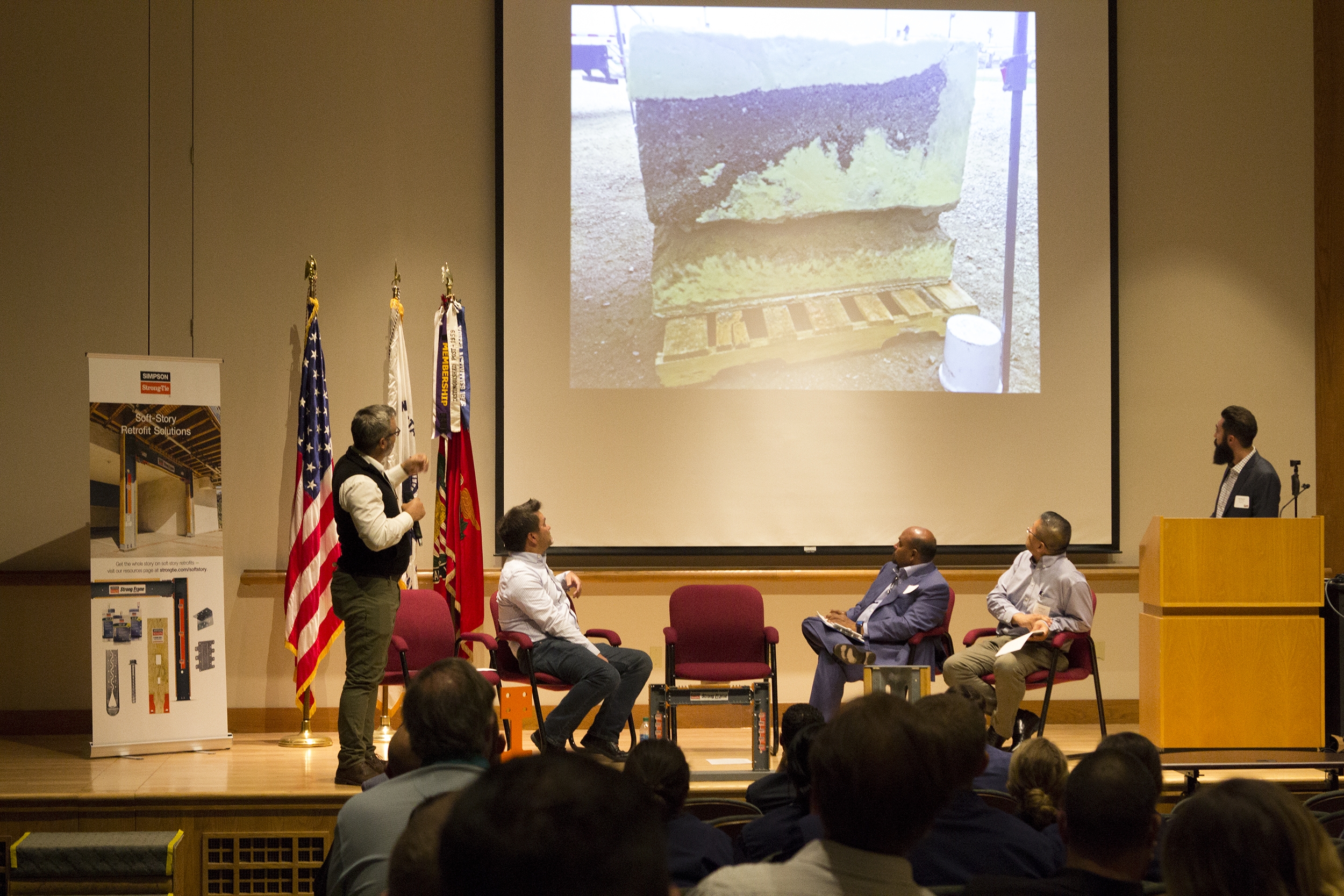
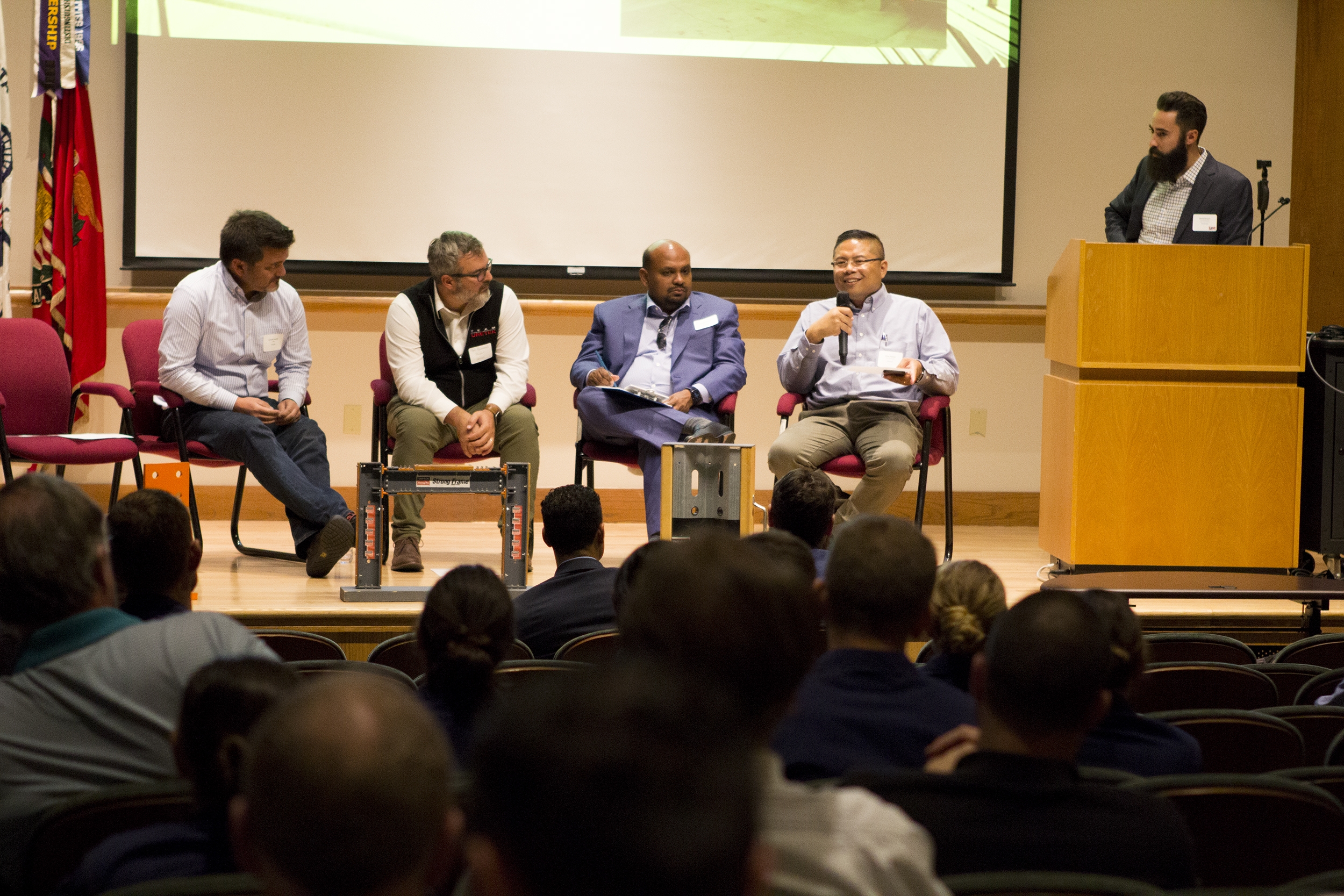
On Oct 17, National Shakeout Day and the 30th Anniversary of Loma Prieta, S.A.M.E. (Society of American Military Engineers) held a Luncheon at the Oakland Federal Building and asked David Renard, Zenith Engineers’ VP of Sales & Partnerships, to moderate a panel that included Senthil Puliyadi, PE, President and Chief Technical Officer of Zenith Engineers, Alain Placido, SE, Building Plan Check for the City of Oakland, Forrest M. Lanning, PE, CPEng, Building Sciences for FEMA, and Rob Altman II from URETEK USA. We gathered to discuss what the Bay Area is doing to combat our seismic vulnerability in our cities, public policies that are in effect, and the mandatory Soft-Story Seismic Retrofit Ordinance that is rolling out throughout California.
[share title=”Share this Post” facebook=”true” twitter=”true” linkedin=”true” reddit=”true” email=”true” id=”” class=”” ]
[ctct form=”4633″]


[share title=”Share this Post” facebook=”true” twitter=”true” linkedin=”true” reddit=”true” email=”true” id=”” class=”” style=”float:right; width:33%;”]
Over the years Zenith Engineers has completed hundreds of shoring designs, working on notable projects like the roof of the Apple Campus and the Adaptive Reuse project “Powerhouse Science Center”. Our experience has helped reinforce that our designs keep workers safe while working on the building, whether it’s holding up the roof or bracing the exterior to keep the walls from collapsing inside. Contact Zenith Engineers today to get started on your shoring project.
Want to join a fun-filled, fast-paced, and fast-growing structural engineering firm? Zenith Engineers Inc is ranked number 1 fastest-growing engineering companies in America by Inc 500 magazine. We are looking to grow our passionate team and build upon our diverse company environment.
Want to join a fun-filled, fast-paced, and fast-growing structural engineering firm? Zenith Engineers Inc is ranked number 1 fastest-growing engineering companies in America by Inc 500 magazine. We are looking to grow our passionate team and build upon our diverse company environment.
Zenith Engineers’ Nikhil Choudhary and David Renard joined Charlie Gaudet on his podcast “Beyond 7 figures: Build, Scale, Profit” discussing how the company has defied the traditional standards of growth in the engineering industry by ranking #1 on the INC 5000 list in Engineering across the United States.
At Zenith our employees take ownership of their projects start-to-finish. It’s very unique, but it ensures a next level of quality of workmanship. When you are working with clients, especially homeowners, this might be their introduction to an engineering firm and the project is their home, not just a property, you have to guarantee above average customer service. Instead of being the traditional “cold”, transactional, engineering firm our mission is to change that perception with a relationship-driven approach that starts with patience and understanding.
[share title=”Share this Post” facebook=”true” twitter=”true” linkedin=”true” reddit=”true” email=”true” id=”” class=”” ]
Want to join a fun-filled, fast-paced, and fast-growing structural engineering firm? Zenith Engineers Inc is ranked number 1 fastest-growing engineering companies in America by Inc 500 magazine. We are looking to grow our passionate team and build upon our diverse company environment.
Want to join a fun-filled, fast-paced, and fast-growing structural engineering firm? Zenith Engineers Inc is ranked number 1 fastest-growing engineering companies in America by Inc 500 magazine. We are looking to grow our passionate team and build upon our diverse company environment.

 More than 1,600 homes and businesses in Los Angeles and Ventura counties were destroyed and at least three people were killed in the Woolsey fire in 2018. The Camp Fire in Northern California’s Butte County was deemed the world’s costliest natural disaster in 2018, destroying over 14,000 homes and causing at least 85 civilian fatalities. The 2017 Northern California wildfires destroyed 8,900 structures and killed at least 44 people. The 7.1 magnitude earthquake that rocked Southern California in 2019 caused no fatalities, but Governor Gavin Newsom estimated more than $100 million in economic damages.
These are just the damages caused by major natural disasters that occurred in the state of California in the past two years, to say nothing of the entire nation and the world.
Natural disasters have been a common occurrence since the beginning of the Earth; however, the effect of natural disasters has magnified multiple times over due to population explosion and increased concentration of human dwellings. What makes it worse is the fact that the conventional building industry has not evolved rapidly enough to cope up with nature’s fury.
One common factor in the disasters mentioned above and the destruction they caused is the predominant use of wood in construction. Although wood’s tensile, thermal, acoustic, electrical, aesthetic, working properties have made it a top choice of residential construction material, it comes with its own disadvantages — especially considering the magnitude of natural disasters in today’s world. For example, it is impossible to make wood noncombustible, even with coatings and treatment, unlike inorganic materials.
In the past few decades, there has been a gradual move away from wood in favor of engineered products or metals. In my work of engineering sound structures, I’ve come across a number of alternate materials that I prefer to wood, as they offer far more disaster resistance and are efficient to construct.
Commonly known as ICFs, these are forms used to hold fresh concrete that remain in place permanently to provide insulation for the structure they enclose, saving labor cost to rip apart the formwork after the concrete pour. Since ICF systems were initially more expensive to construct, their first target market was high-end homes. Innovations have reduced manufacturing costs, and ICF-trained builders have made labor costs more efficient, enabling builders to use ICFs for mid- and low-priced homes. Santa Rosa, California has seen a surge in usage of ICF homes after Northern California wildfires.
Compared to conventional wood-frame walls, ICF walls provide up to 10 times the racking resistance, and a typical ICF home could be expected to withstand Category 5 hurricane winds and even a moderate to severe tornado with minimal damage from wind pressure on the building and the associated racking loads on walls. Typical wood-frame walls usually do not exceed a one-hour fire rating, whereas solid concrete ICF walls are reported to sustain as much as four hours of extreme fire exposure and, in the case of at least one company’s ICF product, Fox Blocks, tornado winds of over 200 miles per hour. Furthermore, ICF offers greater durability, energy efficiency and noise control, as well as higher compressive and bending strength.
ICF construction costs about 3% to 5% more than a typical new home and land in today’s market.
Want to join a fun-filled, fast-paced, and fast-growing structural engineering firm? Zenith Engineers Inc is ranked number 1 fastest-growing engineering companies in America by Inc 500 magazine. We are looking to grow our passionate team and build upon our diverse company environment.
Want to join a fun-filled, fast-paced, and fast-growing structural engineering firm? Zenith Engineers Inc is ranked number 1 fastest-growing engineering companies in America by Inc 500 magazine. We are looking to grow our passionate team and build upon our diverse company environment.
Want to join a fun-filled, fast-paced, and fast-growing structural engineering firm? Zenith Engineers Inc is ranked number 1 fastest-growing engineering companies in America by Inc 500 magazine. We are looking to grow our passionate team and build upon our diverse company environment.





[share title=”Share this Post” facebook=”true” twitter=”true” linkedin=”true” reddit=”true” email=”true” id=”” class=”” style=”float:right; width:33%;”]
Caltrans is improving roadway infrastructure in California by widening and strengthening its overpass system. This makes the original overpass defunct and requires the demolition of the older infrastructure.

[share title=”Share this Post” facebook=”true” twitter=”true” linkedin=”true” reddit=”true” email=”true” id=”” class=”” style=”float:right; width:33%;”]
The Zenith team discusses what being ranked Inc. #1 Fastest-Growing Engineering Companies means to them and the company’s future.

[share title=”Share this Post” facebook=”true” twitter=”true” linkedin=”true” reddit=”true” email=”true” id=”” class=”” style=”float:right; width:33%;”]
Caltrans is improving roadway infrastructure in California by widening and strengthening its overpass system. This makes the original overpass defunct and requires the demolition of the older infrastructure.
Caltrans is challenged with removing the original bridge without disturbing the flow of traffic, the solution is to piece-meal the demo, weakening the bridge until the entire overpass can be removed overnight. Zenith Engineers was tasked with assessing the structural capacity of the bridge to determine the maximum size of the excavator that can remove the deck portion the quickest.

[share title=”Share this Post” facebook=”true” twitter=”true” linkedin=”true” reddit=”true” email=”true” id=”” class=”” style=”float:right;width:33%;”]
Traditional building materials are becoming more vulnerable to California’s growing national disasters; wildfires have destroyed 33,000 structures in the last two years. Insulated Concrete Forms are naturally fire-resistant and rising in popularity as a re-building material. Zenith Engineers knows how to design and engineer these buildings to stay within the owner’s budget.

Read an article by Nikhil Choudary about Resilient Construction and using pre-engineered building materials that can withstand nature’s fury.
“In the past few decades, there has been a gradual move away from wood in favor of engineered products or metals. In my work of engineering sound structures, I’ve come across a number of alternate materials that I prefer to wood, as they offer far more disaster resistance and are efficient to construct.”

[share title=”Share this Post” facebook=”true” twitter=”true” linkedin=”true” reddit=”true” email=”true” id=”” class=”” style=”float:right; width:33%;”]
LADBS has issued Ordinance 183893, addressing safety hazards of non-ductile concrete buildings in downtown Los Angeles. Non-ductile concrete construction was a popular building method for schools and commercial structures due to its large spans and open spaces, but their weak columns and walls poses threats of life and property in serious seismic activity.
Zenith Engineers explains the first step in the process of checking a building’s compliance before designing the seismic retrofit. Watch to the very end to learn how Zenith’s President reveals the thorough way to check compliance.

[share title=”Share this Post” facebook=”true” twitter=”true” linkedin=”true” reddit=”true” email=”true” id=”” class=”” style=”float:right; width:33%;”]
Gordon talks about his experiences working alongside Zenith Engineers as they consult his clients through different retrofit options on his numerous properties. Zenith Engineers designed and engineered retrofit solutions to fit the need of the building and its tenants, from cantilever columns, hardy panels, Simpson Strong Frames and custom welded moment frames.

[share title=”Share this Post” facebook=”true” twitter=”true” linkedin=”true” reddit=”true” email=”true” id=”” class=”” style=”float:right; width:33%;”]
Steve talks about his experiences working with Zenith Engineers and how they saved him 30% on the construction costs. Zenith Engineers reviewed his original plans and found they were over-engineered. They redesigned his original plans, received approval from the City of San Francisco, and bid the new plans out to the contractor resulting in a 30% reduction in construction costs.
Want to join a fun-filled, fast-paced, and fast-growing structural engineering firm? Zenith Engineers Inc is ranked number 1 fastest-growing engineering companies in America by Inc 500 magazine. We are looking to grow our passionate team and build upon our diverse company environment.
Design buildings, tanks, and other non-building structures using materials such as steel, concrete, masonry, and wood.
Develop methods and procedures to capture and track critical engineering issues on an ongoing basis.
Ensure all legal requirements, building and safety codes, safety inspections, city guidelines, and local and state regulations are met.
Perform engineering duties in designing, construction, and maintenance of building structures and structural components of bridges, dams, pipelines, and water treatment plants.
Perform structural analysis and design, including seismic analysis for miscellaneous structures such as equipment anchorage, pipe supports, shoring, scaffolding, etc.
Prepare concept and layout sketches and validate designs using various structural analysis programs and hand calculations.
Prepare structural drawings and details, addressing RFIs, and review submittals during construction.
Provide construction administration support, including site visits, shop drawing review, responding to RFI’s and field modifications, and preparation of field observation reports.
Provide seismic retrofit designs to property owners and construction contractors that meet regulatory requirements, emphasizing safety, and quality while maintaining budget and schedule.
Sign off the field modifications or temporary structure design during construction.
Work directly with clients including general contractors, homeowners, architects as well as government agencies for engineering plan approvals and permitting.
Ability to read and interpret engineering drawings.
Design of steel structures, foundations, masonry, and concrete.
Knowledge of ASCE AISC and ACI basic code requirements relating to structural design.
Knowledge of AUTOCAD software package.
Knowledge of building codes related to civil/structural design.
Knowledge of civil site engineering features such as grading, parking lots, underground utilities routing, and storm water drainage.
Knowledge of structural design, construction, and related standards.
Project management tools such as Microsoft Project and Primavera P3.
Engineering Software such as Revit, RAM Elements, MathCad. Enercalc, Microsoft Project, and Primavera & Pro Steel.
MS in Civil/Structural Engineering.
Must be a licensed Professional Engineer in one or more US States to stamp plans/drawings.

[share title=”Share this Post” facebook=”true” twitter=”true” linkedin=”true” reddit=”true” email=”true” id=”” class=”” style=”float:right; width:33%;”]
California property owners were shocked when soft story retrofitting ordinances changed from voluntary to mandatory, learn what Zenith Engineers has to say behind the motivation of the decision. Retrofits are required in San Francisco, Los Angeles, Oakland, Santa Monica, West Hollywood, and coming soon to Hayward, San Leandro, and Pasadena.

 Technology is shaping the world with everything from electric cars to hyperloop. But when it comes to the real estate construction industry, it is still underserved by technology. The construction industry contributes over 4% to the U.S. GDP, and it needs to adapt to new technologies in order to automate processes and decrease dependencies on manual labor.
However, the breakthrough technologies to make construction more efficient that have hit the market within the past five years have primed the industry for disruption. Below, read three of these technologies that I have come across and how each will shape the way we approach building in the future.
No industry is as labor-intensive as construction. Since construction sites are uncontrolled (open) environments, it is most difficult to incorporate robotics, unlike in closed industrial environments. However, construction activities such as bricklaying are so repetitive and labor-intensive that the use of robotics is helpful to not only reduce costs, but also maintain quality and precision.
Very recently there have been breakthroughs in robotics for construction. One such pioneer product is the semi-automated mason — “SAM” — a bricklaying robot designed and engineered by Construction Robotics. It’s the first bricklaying robot commercially available and doesn’t actually replace a traditional mason. Rather, it works in collaboration with a mason, increasing their productivity up to five-fold.
Zak Podkaminer of Construction Robotics told me, “Construction will benefit from robotics in work that is dangerous, is repetitive, and where heavy lifting is required. [In] high precision work such as complex designs and patterns, robotics will provide a significant time savings allowing for more digital fabrication and provide architects more creative flexibility.”
While just the thought of machines replacing humans sounds alarming, the technology of collaborative robotics that can work alongside humans in order to prevent accidents and save lives is one I’m happy to see is likely here to stay.
A good site analysis is the foundation required before any construction project can be started. In parts of the developing world, access to high-quality imagery via Google Maps is a struggle that increases the dependency on a manual workforce to gather on-site data before construction. Especially when it comes to retrofitting an old building or adding solar panels to an existing building, good-quality images captured by machine can reduce a lot of human hours spent measuring a building.
Enter drone photography. The use of drones in construction allows users to map a site and create two-dimensional as well as three-dimensional images. Since most of the advanced drones use a coordinate-based system, it is possible nowadays to achieve absolute accuracy in measurements, although it is expensive.
Deep Chakraborty, CEO of ENACT Systems, told me, “While the use of drones is proliferating now, the construction industry lacks good software platforms and tools that can process such images rapidly and simplify the analytical activity.” Drone-image processing software programs are already simplifying image usability, and vertical-specific software platforms are now adopting the use of such drone image processing to simplify workflows for solar field professionals. The next two to five years will bring more sophistication to the use of drone imagery in construction.
While the world is closer to a paperless and fully digital management structure, quite a lot of the construction industry is still maintaining physical binders, logging responses in Excel, using fax machines and picking up the phone for even the smallest exchanges of information.
Project collaboration tools are transforming how the construction industry operates by making communication between various parties seamless, with some tools also offering a centralized storage of all project related files. Dustin DeVan, CEO of Building Connected, told me, “Before the hammer hits the nail, hundreds and sometimes thousands of businesses communicate with one another to set budgets and decide who’s working on what.” Digitizing these processes is a no-brainer for the industry moving forward.
Overall, this technology is being rapidly adopted by the construction industry and the companies who do not quickly adapt will find themselves less competitive in the market.
[share title=”Share this Post” facebook=”true” twitter=”true” linkedin=”true” reddit=”true” email=”true” id=”” class=”” ]

 In the construction design industry, we see many clients who do not know much about the planning and permitting processes involved in building a house. I do not blame them — there is not much guidance to be found, and every city and state has its own unique regulations. Across the board, though, the process is the generally same with slight variances.
Here’s a step-by-step guide to understanding what’s involved before construction for people planning to build their own residential property on an empty lot.
To make sure that your lot is an approved building site, look at the assessor’s parcel map or tract map (for subdivisions) showing your lot. You can go to your city planning office and request access to public maps. To locate your assessor’s parcel number (APN), go to your county assessor’s website. All property records are open to the public.
Once you have located your lot on a parcel/tract map, pay attention to notes and comments regarding your property. Most of the time, the notes should be self-explanatory such as “subject to building site approval” or “not an approved site.” If you do not find a note, most likely your lot is an approved building site. Seek help of a planning official to avoid any confusion.
Where and what you can build on your property is mostly governed by zoning setbacks, location of easements and zoning district guidelines. Therefore, you’ll need to find out which zoning district your lot falls under and talk to the office of planning and zoning to find out how the use of your property is regulated.
Senthil Puliyadi, a California-Licensed Engineer, says, “To build a home, you need to pay special attention to two major regulatory items, namely zoning or planning regulations and building codes. Zoning regulations dictate what type of house you can build; building codes control the details of actual construction itself.”
Once you are ready to purchase a lot and build a new home on it, it can be beneficial to hire a state-licensed land surveyor to identify the boundaries and any potential restrictions with your lot. For example, some lots have a right-of-way, allowing neighboring property owners to utilize a portion of your land to access their homes. A surveyor identifies these issues beforehand so that the planned location of your new home complies with regulations.
Finally, if you are planning to build any additional structures on your property, such as a pool or a trellis, now is the time to find out about placement restrictions of these additional structures from your local officials.

 The U.S. Geological Survey (USGS) reported a 7.1 magnitude earthquake with an epicenter around 100 miles from the Mexican capital at 1:14 p.m. on Sept. 19, 2017. More than 300 people were killed, including over 20 children who were trapped inside a school that collapsed. The cost of damage is estimated at hundreds of millions of U.S. dollars, if not billions. The cost of damage to property can be assessed in terms of monetary value, but the loss of human life can not.
Mexico is prone to larger earthquakes because of its proximity to three fault lines, where the Earth’s tectonic plates meet. Many densely populated California cities, too, are placed right above or close to active fault lines that have historically produced strong earthquakes. Studies suggest that a major earthquake could be coming, causing tremendous damage to Southern California. According to USGS, “the two faults in the San Francisco Bay Area most likely to have a damaging earthquake are the Hayward-Rodgers Creek fault system and the San Andreas Fault … Over 2 million people live on or close to the Hayward Fault, which has among the highest probability of producing a magnitude 6.7 or greater earthquake in the next 30 years.”
My company’s offices in California have assisted hundreds of multifamily, residential and commercial buildings in becoming seismically safer. Dealing closely with almost all parties involved in the seismic retrofit business — including city officials, owners, contractors, finance companies, material suppliers, architects, and engineers — I have gained an unparalleled insight into the industry.
I’ve observed that some California cities have started taking steps to avoid loss of human life in an event of a major earthquake. San Francisco, Los Angeles, Santa Monica, and a few other cities have come up with stringent seismic retrofit ordinances that mandate thousands of buildings be retrofitted to become earthquake-safe within a certain timeline. However, the implementation of and compliance with these programs have been questionable. Below are some of the steps that California authorities should take before it’s too late.
The concept of a quake warning system is hinged on communication waves traveling faster than earthquake waves. So, the warnings are able to outrun the shaking. Mexico created its warning system after thousands of people died in the 1985 Mexico earthquake. This time around, sirens alerted Mexicans to the major shaking within 15 seconds, allowing them time to find safer ground.
California’s quake warning system — which is known as ShakeAlert — is still being introduced in phases. While some transit and emergency agencies are equipped, getting phone lines into the network could take several more years. Once in place, this system would provide a life-saving one-minute warning for residents to evacuate. Given the lives this system could save, congressional members of both parties need to come together to speed up its funding.